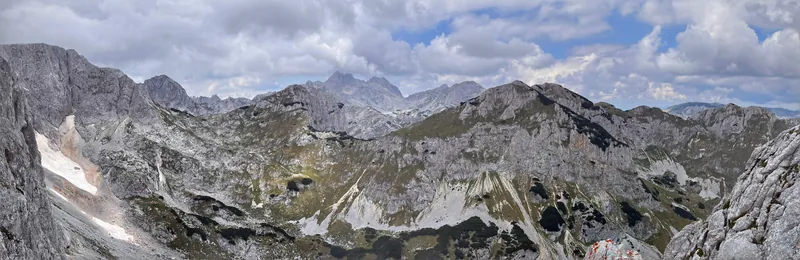
Packing for Žabljak is not the same as packing for Montenegro’s coast. The town sits at about 1,450 metres above sea level, and a warm afternoon can turn into a cold, wet or windy evening. The practical answer is not a huge suitcase. It is a small set of layers that work together.
This four-season Žabljak packing list covers ordinary sightseeing, family stays and day walks. A technical summit, winter ascent, canyoning trip or ski tour needs activity-specific equipment and, where appropriate, a qualified guide.

The short answer: what belongs in every Žabljak bag?
- a waterproof outer layer
- one warm mid-layer, even in summer
- comfortable walking shoes with reliable grip
- sun protection: hat, sunglasses and sunscreen
- a small daypack and reusable water bottle
- a charged phone, power bank and offline map
- a compact first-aid kit and any personal medication
- a torch or headlamp
- one complete change of dry clothes
This list is deliberately plain. It covers the items most likely to save a day when the forecast changes or a short outing lasts longer than expected. The Montenegrin Mountain Rescue Service specifically advises hikers to carry spare warm clothing, a hat, rain and wind protection, a torch, a small first-aid kit and sturdy footwear with a ribbed rubber sole.
Why Žabljak needs a different suitcase
Žabljak’s altitude matters. The official tourism office describes winters as long and cold and summers as relatively short and fresh. It also notes that autumn is generally warmer than spring. That does not give you a guaranteed temperature for any particular week, but it explains why coastal clothing alone is a poor plan.
Think in three layers: a base layer next to the skin, a warmer layer such as fleece or light insulation, and an outer shell for rain and wind. You can remove one layer on a sunny walk and put it back on at a viewpoint without carrying separate outfits for every possibility.
What to pack in spring
Spring on Durmitor can lag behind the calendar. Snow, wet ground and cold wind may remain at higher elevations after conditions in town have become milder. Pack waterproof footwear, warm socks, a fleece or insulated jacket, a rain shell, gloves and a warm hat. Add a second pair of shoes for the house or town so that wet hiking footwear has time to dry.
Do not pack specialist snow equipment simply because you hope to walk higher. First check the current route and conditions. If snow or ice changes the nature of the outing, change the route or use a local guide with the right equipment.
What to pack in summer
Summer calls for light clothing, but not only light clothing. Bring breathable T-shirts, walking trousers or shorts, a sun hat and sunscreen for the day. Keep a fleece and waterproof shell in the daypack. A dry top is useful after a shower or when you stop moving and cool down.
For easy walks, trail shoes with good grip may be enough in dry conditions. Longer, rougher or wetter routes justify more supportive footwear. Match the shoe to the planned route rather than buying heavy boots for every visitor. The separate Villa Eagle hiking guide compares five official routes by distance, ascent and difficulty.
What to pack in autumn
Early autumn can still offer comfortable walking days, while later autumn may feel wintry, especially in the morning or at elevation. Pack a warm mid-layer, waterproof jacket, long trousers, hat and light gloves. A small umbrella can be useful in town, but it is not a substitute for a waterproof shell in exposed or windy terrain.
Shorter daylight changes the packing list as much as lower temperature. Carry a headlamp even when the plan is to return early. The three-day autumn itinerary keeps higher, weather-sensitive outings flexible and includes lower alternatives.
What to pack in winter
For a winter stay in town and ordinary sightseeing, bring a warm insulated jacket, thermal base layers, waterproof winter footwear, warm socks, gloves, a hat and a neck warmer. Sunglasses and sunscreen still matter because snow reflects light. Pack more than one pair of gloves for children; the first pair rarely stays dry all day.
Winter mountain hikes require different preparation from ordinary sightseeing. The Mountain Rescue Service advises against attempting unfamiliar high-mountain winter routes without experienced companions and warns that darkness falls early. Carrying crampons, an ice axe or avalanche equipment does not by itself make a route safe. You also need the skills to use the equipment and a route that is suitable for the current conditions. Arrange the equipment and instruction required for the specific activity you plan to do.
For a realistic short break, use the separate Žabljak winter guide, then confirm snow, road and operator conditions shortly before travel.
A practical day-hike packing list
- water and enough food for the planned route, plus a small reserve
- waterproof shell and warm layer
- route information, offline map and a physical map for longer outings
- charged phone and power bank
- headlamp
- basic first-aid kit and personal medication
- sun protection
- emergency contact details
- a bag for carrying all rubbish back
Tell someone which route you are taking and when you expect to return. Stay on marked trails and choose an outing that matches the group’s physical and technical ability. Those points come directly from the Mountain Rescue Service, not from the length of the route on a travel app.
In an emergency in Montenegro, call 112. Save the number before leaving, but do not assume that a phone signal will be available everywhere.
Packing for children
Children need the same layering system, with more spare dry clothing. Add a second pair of socks, spare gloves in cold weather, familiar snacks and a water bottle they can manage themselves. For small children, decide before travelling whether you need a carrier; a pushchair is not suitable for every lakeside or forest path.
A child who is cold, wet or tired will not care how close the viewpoint is. Build the day around the youngest person and keep one easy alternative ready. Our Žabljak with kids guide gives activity-specific advice without assigning misleading universal age limits.
What drivers should keep in the car
A day in the car can still involve an unplanned wait or a short walk in colder conditions. Keep water, snacks, a warm layer, rain protection and a torch where they are easy to reach, not buried under luggage. In winter, confirm legal vehicle requirements, road conditions and whether your route is open before departure. A summer map does not prove that a high road is passable in another season.
What can you rent or buy locally?
Do not build the trip around an unconfirmed rental. The National Parks of Montenegro currently lists items such as walking poles, bicycles and snowshoes among services at Durmitor, but stock and opening arrangements can change. Check directly before relying on a specific item or size. Everyday groceries and basic supplies are available in Žabljak; specialised footwear and personal clothing are better sorted before arrival.
Three packing mistakes to avoid
- Do not base your packing list only on the weather forecast for Podgorica or the coast. Check the forecast for Žabljak and your planned route, because conditions at higher elevations can be different.
- Do not rely on one heavy coat as your only warm layer. Pack several layers that you can add or remove as conditions change during the day.
- Do not use equipment as a reason to continue on an unsuitable route. Good shoes and a rain jacket are useful, but you must still judge whether the route, weather and group’s abilities are suitable.
The final check before you leave
Check the official Žabljak forecast, current road access, daylight and the latest information for the activity you plan to do. Then pack for the most realistic version of the trip, not the most ambitious one. If the weather changes, the right layers make it easier to switch from a long hike to Black Lake, a short viewpoint or a quiet afternoon in town.
Plan your stay at Villa Eagle
Villa Eagle is a private three-bedroom holiday home for up to six guests, with a fully equipped kitchen, living space, fast Wi-Fi and free private parking. See the house and facilities, check current availability on Booking.com or Airbnb, or use the contact page for questions about the property.