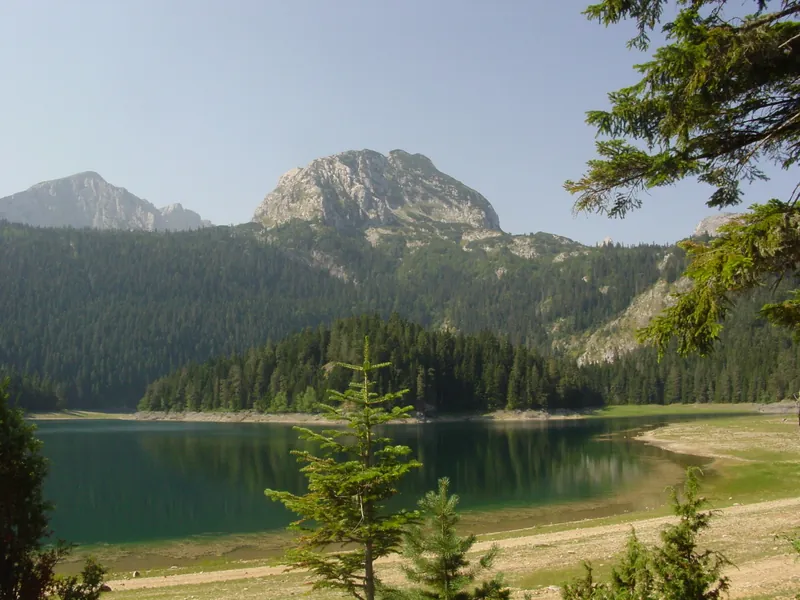
If this is your first trip and you want to spend most of it outdoors, the safest answer is late June to September. July and August offer the widest choice of activities. September is cooler and usually quieter. For snow, look at January and February, but check the actual conditions before booking around a specific winter activity.
That short answer matters because Žabljak is not the Montenegrin coast with a mountain added to it. The town sits at about 1,450 metres, and spring arrives later than many visitors expect. A warm day in Podgorica tells you very little about a trail high on Durmitor.

The best time to visit Žabljak, at a glance
- First visit: late June, July or September
- Hiking: generally June to September, depending on the route and remaining snow
- Families: July and August for the easiest planning and widest choice
- Fewer people: June, September and early October
- Autumn colour: late September and October
- Snow: January and February are the best months to consider, never a guarantee
- Months requiring the most flexibility: March, April, November and December
One useful local climate detail is easy to miss: the official tourism information describes Žabljak’s summers as short and fresh, its winters as long and cold, and its autumns as warmer than its springs. That explains why May can still feel surprisingly unsettled, while a good September can be excellent.
January: come for winter, not for a fixed checklist
January is the clearest winter choice. Think snow-covered scenery, walks close to town, sledding and whichever organised winter activities are operating at the time. Keep the itinerary light. Ice, snowfall and short daylight can turn a simple outing into the main event of the day.
February: still winter, with slightly longer days
February suits travellers looking for a proper mountain break rather than a hiking holiday. It is also a good month for a house-based trip with slow mornings and one main outing each day. Check snow cover and operating status directly instead of assuming that every lift, tour or marked winter route is available.
For planning ideas, see our separate Žabljak winter guide.

March: winter has not necessarily finished
Calling March “spring” can lead to the wrong packing list. Snow may remain, and warmer spells can produce a messy combination of water, mud and ice. March works for a quiet break. It is a weak choice if your trip depends on high trails or the panoramic roads being fully accessible.
April: peaceful, but difficult to plan
April sits between seasons. You may get clear skies and empty viewpoints, but you may also find snowmelt, rain and limited seasonal services. Come with waterproof footwear and a short list of alternatives. Do not choose April for a must-do summit.
May: spring in town, mixed conditions higher up
May brings longer days and a greener landscape. Lower walks and sightseeing become more attractive, but conditions can change sharply with elevation. It is a good time for visitors who value quiet more than a full activity programme. For serious hiking, ask about the exact route rather than relying on the month.
June: our pick for long days without peak crowds
June is when planning becomes much easier. The days are long, the landscape is green, and hiking, cycling and sightseeing options expand. The second half of the month is especially appealing if you want a summer-style trip before the busiest holiday period. Early June can still be too soon for some higher routes.
July: the easiest month for a first visit
July gives you the broadest menu: marked walks, longer hikes, cycling, scenic drives and organised excursions. Rafting and kayaking on the Tara are seasonal and depend on actual water levels, weather and the operator’s assessment. Confirm availability and suitability directly with an authorised operator; no calendar period guarantees safe conditions.
The trade-off is simple: more options also mean more visitors. Start popular outings early and book accommodation ahead.
August: maximum choice, maximum demand
August is practical for families and groups because most summer services are active and it is easier to fill several days. It is also the month when Black Lake and the best-known viewpoints are most likely to feel busy. If solitude is the main goal, choose June or September instead.
Travelling with children? Our Žabljak with kids guide focuses on realistic family activities. For walking ideas, use the verified walks and hikes guide.
September: perhaps the best balance
For adults who want to walk, explore and avoid the height of the summer season, September is hard to beat. Early in the month often feels like late summer. Later on, mornings become colder, days shorten and autumn begins to show. Bring a proper warm layer, even if the coast is still hot.
October: beautiful when the weather cooperates
October is for colour, quiet roads and slower days. Early October and late October can feel like different seasons, so avoid building the whole trip around one exposed hike. Black Lake, shorter walks and scenic drives give you more room to adjust.
Our three-day autumn itinerary is designed with backup options for exactly this reason.
November: quiet, cold and unpredictable
November can be atmospheric, but it is not the month we would recommend to someone with a long list of attractions to cover. Daylight is short, snow and ice become more likely, and some businesses reduce their hours. It works best as a quiet retreat with simple plans.
December: winter may arrive before the winter programme
December can look wonderfully wintry, but a date on the calendar does not guarantee good snow or fully operating winter services. Before booking for skiing or another specific activity, check the current situation. For a group happy with mountain scenery, shared meals and flexible days, December can still be a lovely break.
If you want one simple recommendation: choose late June or September for a quieter outdoor trip, July or August for the widest choice, and January or February for the best chance of a winter stay.
How long should you stay?
Two nights give you only one full day, which is a gamble in mountain weather. Three nights are a sensible minimum for a first visit. With four, you can fit in Black Lake, Tara Canyon scenery, a drive through the Durmitor landscape and one longer activity without turning the holiday into a race.
If you are driving from the coast or Podgorica, count the journey as part of the day. A demanding hike immediately after a long drive is rarely a good plan.
A practical base matters when plans change
Villa Eagle is a private three-bedroom holiday home for up to six guests. The kitchen is useful for early breakfasts before a walk, the living area gives everyone space on a wet evening, and private parking makes day trips simpler. Wi-Fi is available when the mountain decides that your outdoor day should become an indoor one.

See the house and facilities or browse more things to do in Žabljak. For current seasonal information, use the official Žabljak tourism website shortly before your trip.
Frequently asked questions
What is the best month for a first visit?
July is the easiest month for access and activities. September is our better all-round recommendation if you prefer cooler days and fewer people.
When is the best time to hike in Durmitor?
June to September is the usual window, but the route matters more than the month. A lower walk can be ready while a high route still has snow. Check the specific trail and current advice before setting out.
Is Žabljak worth visiting outside summer?
Yes, if the season is part of the reason for coming. Autumn is quieter and colourful. Winter can be beautiful under snow. Spring is peaceful but harder to plan, especially for hikers.
Plan your stay at Villa Eagle
Once you have chosen the season, leave enough room in the schedule for one changed plan. Check current availability on Booking.com or Airbnb. For questions about the house, parking or facilities, use the Villa Eagle contact page.